
01 / 04
 One plan, two engines
Paid and organic planned together, briefed together and measured together.
Organic tells you what your audience responds to. Paid puts budget behind whatever proves it. Run the two separately and you end up paying to promote content your own organic results had already warned you about.
Paid and organic social work from one plan, run by our social team in London and Leeds. The job is discovery: reaching people who weren’t looking for you, testing creative constantly, and measuring the result against your business, not your follower count.
One plan, two engines Paid and organic planned together, briefed together and measured together.

 Built for discovery
 Awareness and consideration among people who weren't looking for you yet.
 Creative always in test
 Social punishes anything that ships once and stops, so creative is tested continuously.

 Judged on outcomes
 Measured against business results, not follower counts.
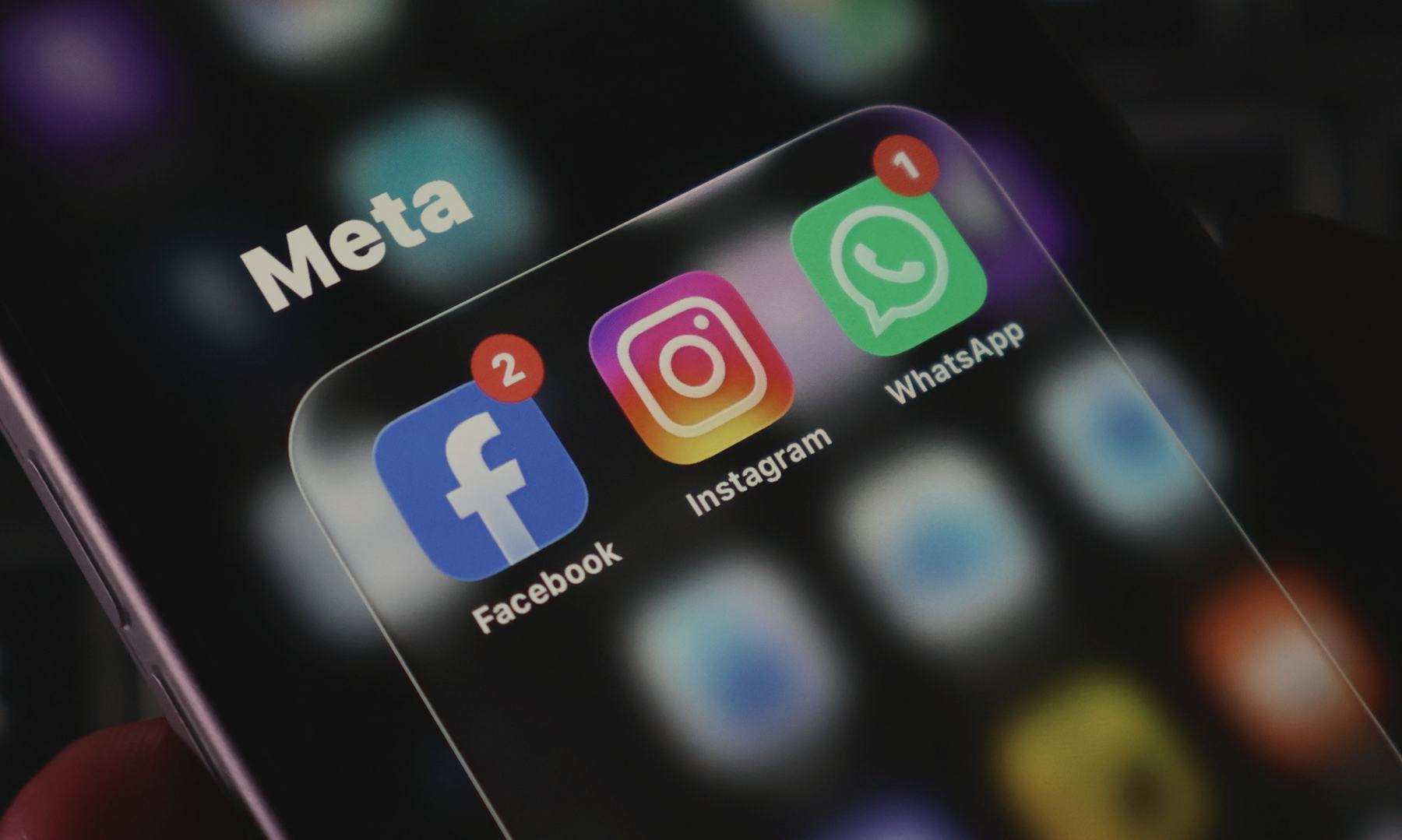
Paid social is advertising bought on social platforms, targeted by interest, behaviour or customer data, not by what someone typed into a search box. Its strength is discovery.
Search captures demand that already exists; social creates it, reaching people who weren’t looking for you and giving them a reason to look. That makes paid social the strongest channel for awareness and consideration, and a poor one to judge on last-click conversion.
Most disappointment with paid social comes down to that one mismatch: measuring a demand-creation channel with a demand-capture metric.
Our social media work covers six areas, from platform strategy to measurement. Organic social also feeds the wider content picture: material that performs on social is often exactly what’s worth building into pages that earn search traffic and AI citations.
Social is measured fairly by reporting it alongside every other channel on one consistent basis, because every platform reports the version of success that flatters it, using its own attribution window.
Taken at face value, three platforms will each claim the same conversion and none will mention the other two. We report social into Total Intelligence with everything else. That’s how you find out whether social is creating demand that search then captures, or simply claiming credit for demand that was already there.
For awareness work, the practical test is whether the activity moves branded search and direct traffic over time. That’s harder to fake than a platform-reported conversion.
Social changes fast, and every platform has its own view on how to measure it. Here’s where we stand on the questions we’re asked most.
A paid social agency plans, buys and optimises advertising on the major social platforms: choosing audiences, building campaigns, testing creative and managing budget. We plan organic alongside it, so paid budget goes behind content that has already proved itself.
Almost certainly not. Platform choice should follow your audience, and most brands do better committing properly to two or three platforms than spreading thinly across six. The exception is where a platform has become a search engine for your category.
Organic social is measured through engagement quality, not volume, and by tracking whether it moves branded search, direct traffic and conversion over time. Our owner-led organic social for Churchill Living (then Churchill Retirement Living), “Spill the Tea”, reached 28,500 organic views and 1,200 engagements, and coincided with a 141% increase in organic website traffic
Both. We plan and support content production as well as buying the media behind it. Running paid social behind creative you had no hand in is a reliable way to spend money on something that was never going to work.
Influencer marketing is planned alongside social. It works where an audience trusts a person more than a brand, which is true in some categories and plainly not in others. It’s a channel choice like any other, judged on the same terms.
We’ll compare what the platforms report with what happened, and show you the difference.
© 2026 TheMediaPeople. All Rights Reserved.
Built to perform. Designed by Lunatix.