
One strategy
A single search plan built on paid and organic data together.

Your SEO and your PPC chase the same customer on the same results page. Total Search gives them one set of goals, one pool of data and a budget that moves to whatever is working. AI answers now share that page, so AI visibility is in the plan too.
SEO and PPC both exist to make your brand visible in search, yet they often sit in separate teams with separate targets and separate reports. Total Search plans them together, so they support each other instead of competing for the same click.
A single search plan built on paid and organic data together.
Spend shifts to the most efficient opportunities, whichever channel they sit in.

Paid and organic reported side by side, with clear recommendations on what to change.

Fewer paid clicks on searches you'd likely win anyway, and more budget for the ones you can't.

SEO and PPC work against each other when they run in silos: one team bids, another writes content, and both report on the same customer without seeing each other's data.
Google doesn’t make it easy to join them up. Paid and organic performance sit in different tools, use different terms and report metrics that don’t line up, so it’s easy to end up with two reports, two success stories and one customer counted twice.
The cost shows up in three places: paid budget that may be buying clicks you’d win organically, content written without the keyword data your paid campaigns hold, and landing pages built for one channel and ignored by the other.
Total Search runs in three steps, and each one joins up something that’s usually split between paid and organic search.
We agree one set of goals for paid and organic search, then set each channel's objectives, the KPIs that matter and the attribution model everyone will use, before anything is optimised.

Tracking and analysis across paid, organic and AI answer data show which searches convert, where each channel wins and where the gaps are. Paid keyword data shapes the content plan; organic rankings shape the bids.

The plan becomes a joined-up keyword strategy, landing pages that work for both channels and a smoother customer journey, with budget moving to whatever is performing.
SEO or PPC is usually the wrong question. PPC buys visibility straight away; SEO takes longer to build, and what it builds doesn’t vanish the day you stop. The useful question is which channel should own each search, and Total Search answers it for every search that matters to you.
Brand bidding, paying for ads on your own name, depends mainly on who else is bidding. If competitors or resellers are, a brand campaign lets you compete for the top of the page. If nobody is and you rank first, you may be paying for clicks you'd get anyway.
The way to know is to test it. Pause brand ads in some regions or weeks, keep them running elsewhere, and compare total brand clicks and conversions across paid and organic together, watching for competitors moving in while you’re off. Neither the Google Ads report nor Search Console can answer that alone, which makes it a Total Search question.
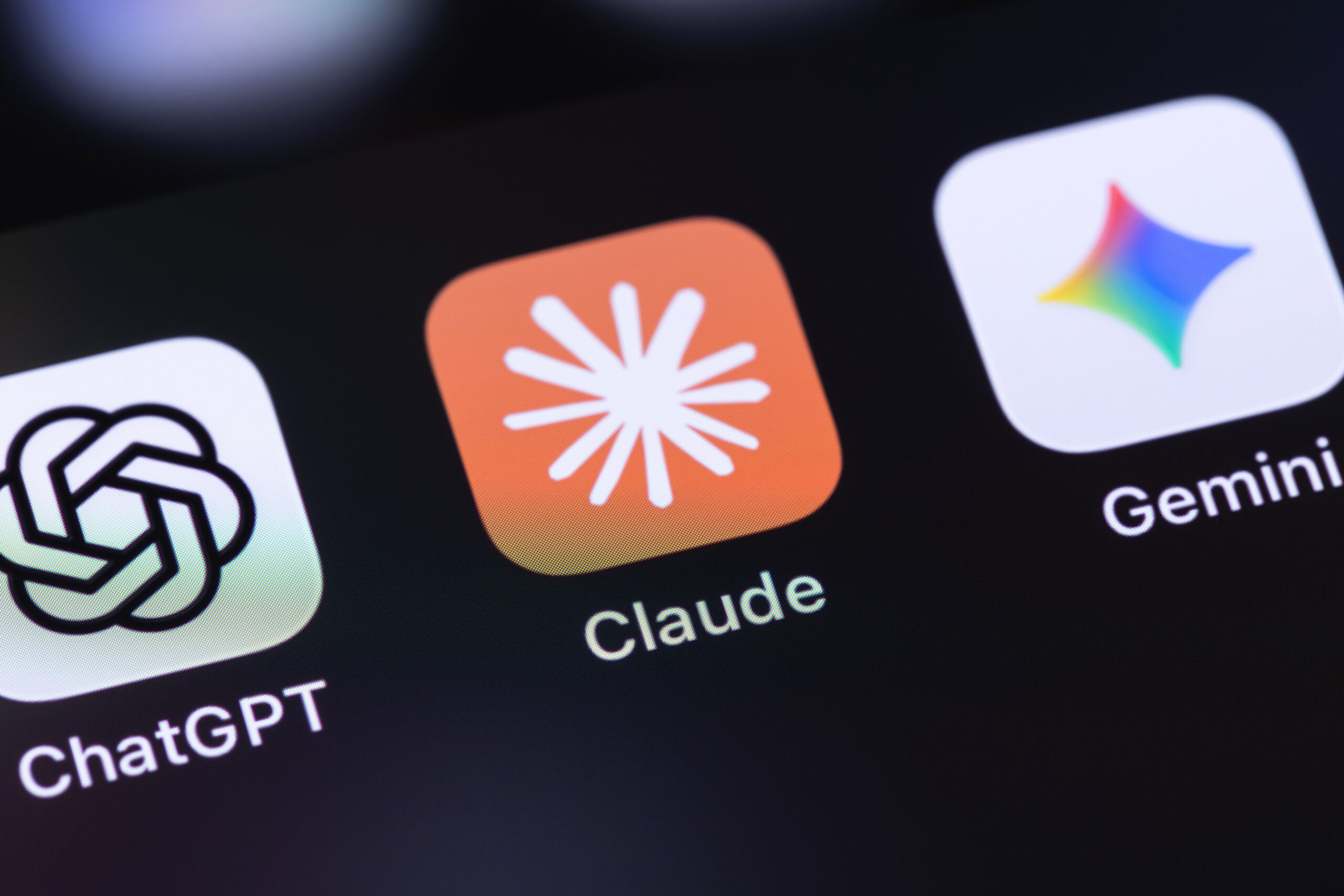
AI search fits inside Total Search because it's now part of the same results page and the same customer journey. A single Google search can return an AI Overview, ads and organic listings, and people increasingly put the same question to ChatGPT or Perplexity.
So Total Search now plans three things together: organic rankings, paid search and AI visibility, measured against one set of goals and reported in one place. ChatGPT Ads, where they suit your audience, come out of the same search budget.
Joining up paid and organic search raises practical questions about budgets, reporting and working with other agencies. Here’s how we answer them.
Total Search is The Media People’s integrated approach to search engine marketing: paid and organic search planned and run as one channel, with shared goals, one pool of data and one report. It now covers AI visibility as well as SEO and PPC.
Neither SEO nor PPC is better in general; they do different jobs. PPC suits searches you need to win now or can’t realistically rank for. SEO suits the research and comparison searches people make over time. The right mix depends on each search: who’s searching, how competitive it is, and whether you can rank for it.
Total Search doesn’t necessarily reduce PPC spend. Looking at paid and organic data together shows where paid search may be buying clicks you’d win organically anyway, and testing tells you how much. That budget can then be cut or moved to searches organic can’t reach. The aim is a better return on your search budget, which isn’t always a smaller one.
Total Search can start with a joint audit of your SEO and PPC. It works best with one team, because agencies with separate targets drift back into competing for the same clicks.
Total Search is reported monthly, in one report and one meeting covering paid search, organic search and AI visibility, with recommendations on where budget should move next. The data sits in Total Intelligence, our in-house data platform.
We’ll look at your paid and organic search together and show you where you’re paying twice, where you’re missing out, and what to change first.
Built to perform. Designed by Lunatix.